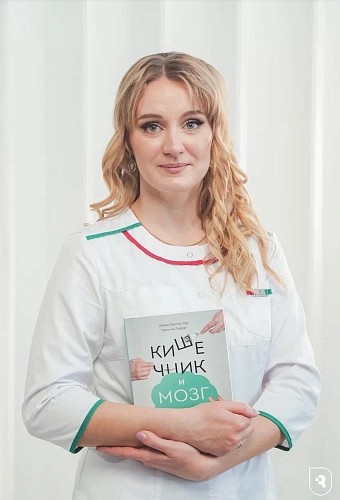
An expert from Saratov Medical University told how diseases of the gastrointestinal tract and skin are related.
Many people believe that the condition of the skin directly depends on the condition of the stomach. That's partly true. Nadezhda Mikhel, an assistant at the Department of Therapy, Gastroenterology and Pulmonology at the Razumovsky State Medical University, told us what problems of the gastrointestinal tract can cause or worsen skin diseases.
According to her, gastrointestinal problems can affect the condition of the skin due to several reasons: due to a violation of the microflora, an imbalance of nutrients, inflammatory processes and a decrease in immunity. This can manifest as acne, eczema, psoriasis, rosacea, as well as dryness, rashes, pigmentation, and other problems.
The main reason for the negative effect of the gastrointestinal tract on the skin is a violation of the intestinal microflora. Due to the malfunction, the balance of beneficial bacteria is disrupted, which leads to a decrease in the absorption of nutrients and vitamins, as well as to a weakening of the immune system. A deficiency of these elements immediately affects the skin: inflammation, spots, rashes and irritations appear.
In addition, the expert emphasizes that intestinal problems can trigger systemic inflammation in the body. This process will not cause new rashes or other skin problems, however, it will affect existing ones: it will increase the manifestation of acne and other inflammatory skin diseases.
Poor absorption of vitamins (A, D, E, group B) and minerals, associated with digestive problems, leads to dryness, peeling, dull complexion and brittle hair. Some stomach diseases provoke the accumulation of harmful toxins that poison the body from the inside and worsen the appearance of the skin.
"The most common companion of gastrointestinal problems is acne, especially with dysbiosis, gastritis or other disorders affecting metabolism and hormones. Eczema and seborrheic dermatitis can also worsen against the background of gastrointestinal diseases, such as gastritis or peptic ulcer," emphasizes Nadezhda Mikhel.
In turn, psoriasis and rosacea are associated with an overgrowth of bacteria in the small intestine or with liver disorders. But dryness and peeling may indicate a lack of vitamins associated with intestinal absorption problems. Urticaria may be associated with food intolerance or allergic reactions, which often correlate with gastrointestinal pathologies.
If you have skin problems, the expert from Saratov Medical University reminds you, you should immediately contact a dermatologist. Only a doctor will be able to identify the relationship of a skin disease with the state of the gastrointestinal tract and prescribe the necessary comprehensive examination of the skin and gastrointestinal tract to identify the root cause and prescribe appropriate treatment.